Mars Men Review: Does This Testosterone Booster Actually Work?
May 4, 2026
Mars Men claims a 60% testosterone increase. I pulled the research on every ingredient to find out if it actually delivers — and what you should do before spending your money.
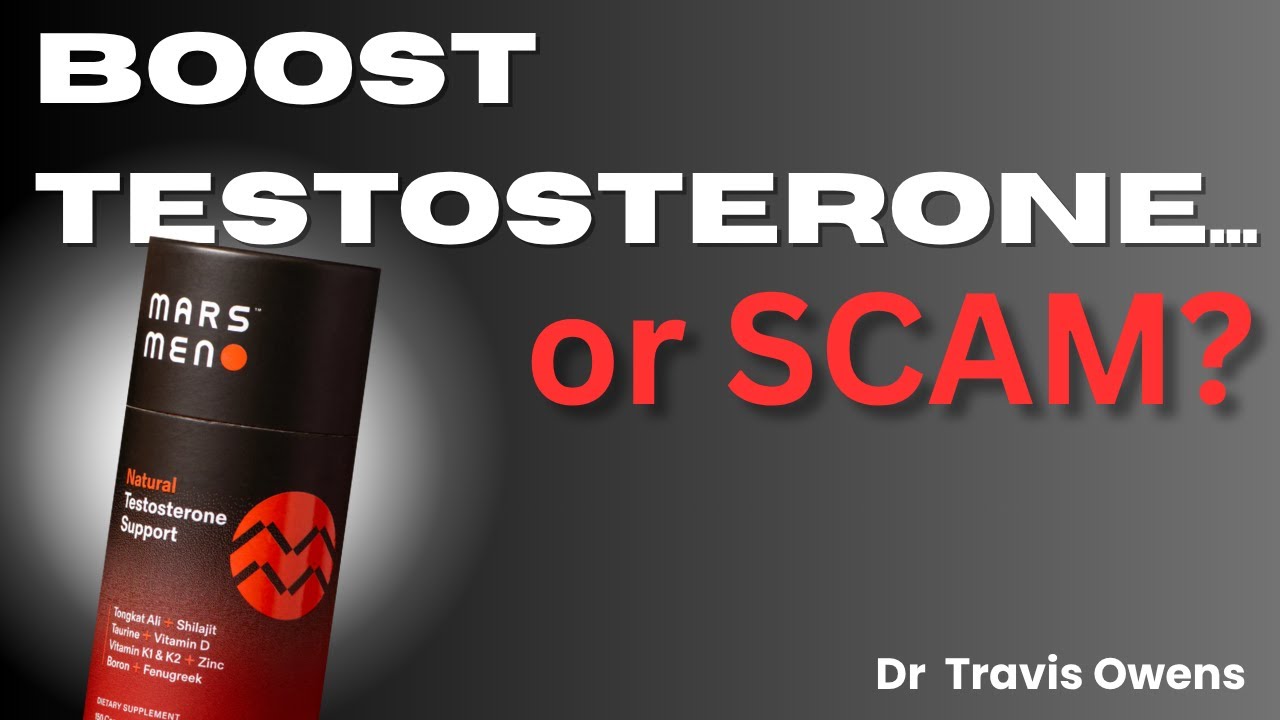
Testosterone levels naturally decline as men age — that's not marketing, that's physiology. So it's no surprise that testosterone-boosting supplements like Mars Men are everywhere. They claim a 60% increase in testosterone, better energy, improved vitality, and increased strength for guys who train. Those are bold numbers. I pulled the research on every ingredient to find out whether Mars Men actually delivers.
What Is Mars Men?
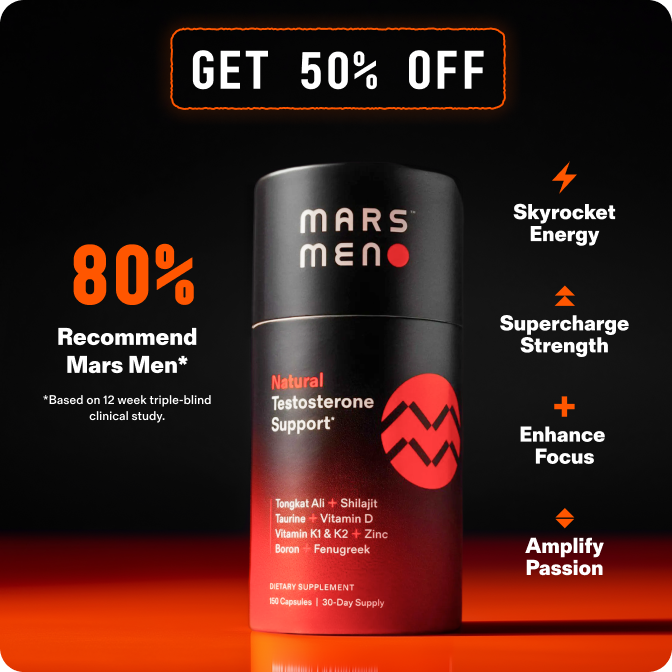
Mars Men is a men's health supplement designed to support testosterone levels through a multi-ingredient formula. To their credit, the company posts studies on their website — which is more than most supplement brands bother to do. The problem is that posting science and that science actually supporting your claims are two different things. Here's what the research really shows.
Mars Men Ingredients: A Full Breakdown
Tongkat Ali
If you're here for a real answer
Most of these products fail for the same reason: underdosed ingredients and no plan behind them.
I wrote up the five compounds actually worth knowing about — what they do, how they're dosed, and what to skip. Free, no fluff.
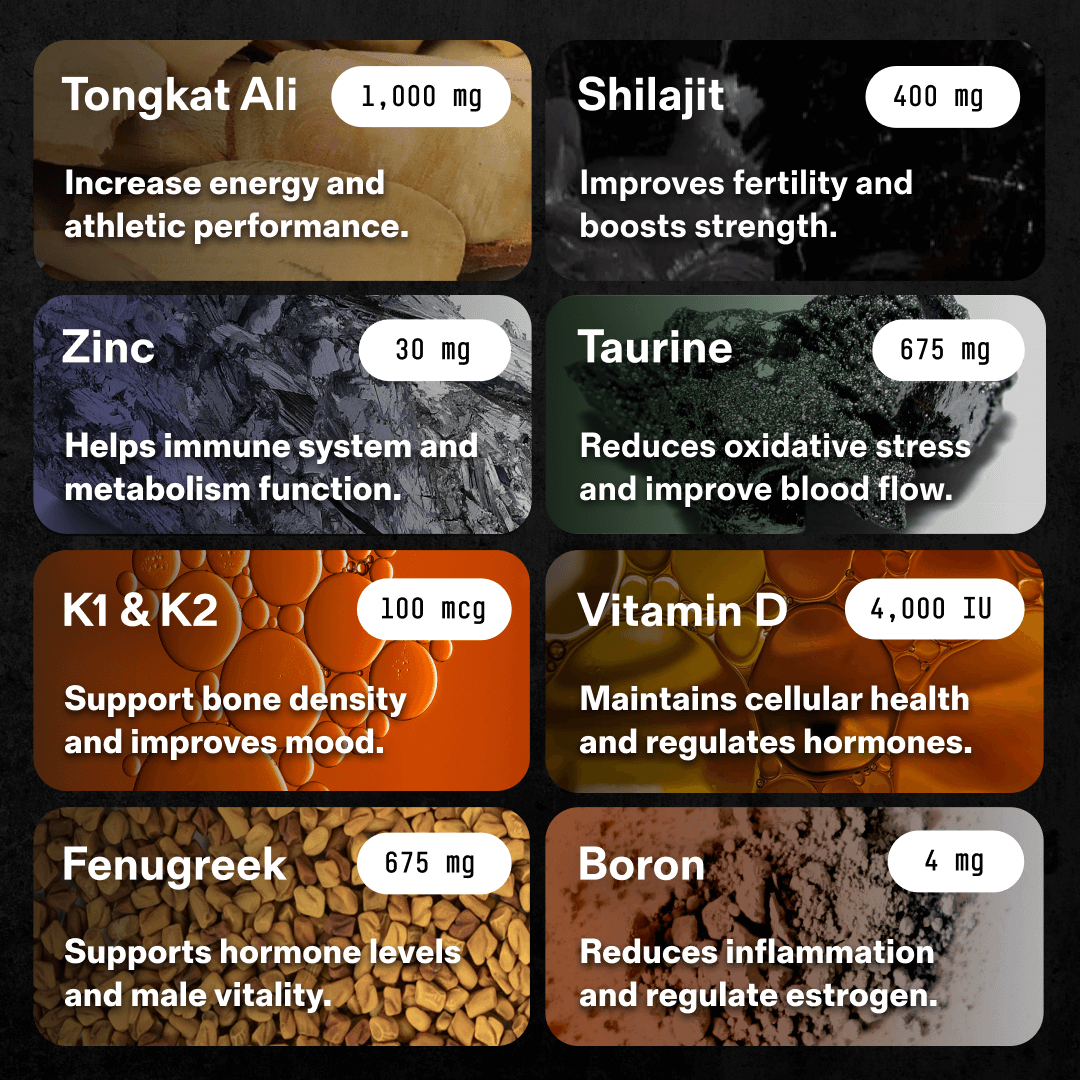
Get the free guide →Tongkat Ali has solid research behind it. A systematic review found that it can elevate serum testosterone levels and may serve as a meaningful first step in hormone support — before going the TRT route. For men looking to avoid prescriptions while still addressing declining testosterone, this is one of the more credible ingredients in the formula.
Zinc
Zinc is well-supported by the data. A review of eight clinical studies found a clear association between low zinc levels and low testosterone — and demonstrated that supplementation can bring levels back up. The key here is deficiency: if your zinc is already in a healthy range, the effect will be more modest. But for men who are running low, zinc matters.
Vitamins K1 and K2
Vitamin K2 — particularly in its MK4 and MK7 forms — has shown real promise for testosterone support in the research. Vitamin K1 has essentially no evidence connecting it to hormone levels. K2 earns its spot in this formula; K1 is mostly a passenger.
Shilajit
This is the standout ingredient. A double-blind, randomized, placebo-controlled trial had subjects take 250 mg twice daily for 90 days. The results showed statistically significant increases in total testosterone, free testosterone (the bioavailable form your body can actually use), and DHEAS — all compared to placebo. That's the kind of data you want to see.
One note: the studied dose was 500 mg/day, and Mars Men delivers approximately 400 mg. Slightly under the mark, but the ingredient itself is well-validated and the gap is not dramatic.
The alternative I actually use
Peptide therapy without the needles.
Sublingual strips I partnered on with Reverra Health — pre-dosed, shelf-stable, and transparent about exactly what's in them and how much. The opposite of the products I spend these reviews taking apart.
See the protocols →Fenugreek
Fenugreek shows benefits for both performance and testosterone in the available research. However, there's a safety consideration worth knowing: fenugreek has been associated with potential negative effects on liver and kidney health. If you're taking Mars Men — or any supplement that includes fenugreek — it's worth getting periodic labs to monitor liver enzymes and kidney function. It's not a dealbreaker, but it's information you should have.
Taurine
Taurine doesn't directly raise testosterone, but research suggests it supports the HPT (hypothalamic-pituitary-testicular) axis — the hormone signaling system at the center of male reproductive health. Think of it as a supporting ingredient rather than a primary driver. Its inclusion in a men's health formula makes sense.
Vitamin D
There's a well-established correlation between low vitamin D and low testosterone. Mars Men leans into this relationship, but correlation is not causation. Supplementing with vitamin D isn't going to magically raise testosterone if your levels are already normal. That said, vitamin D deficiency is widespread, and having it in the formula is a net positive for overall health.
Boron
Mars Men includes 4 mg of boron per serving. Some research shows it can support testosterone levels, but the evidence is inconsistent across populations. It's not a red flag, and there's enough data to justify the inclusion — just don't expect boron to be the ingredient that moves the needle most.
Does Mars Men Work? The Bottom Line
Mars Men is doing what most testosterone support stacks attempt: using multiple ingredients together to create a synergistic effect that supports the body's own hormone production. That's a fundamentally different mechanism than TRT, where you're directly adding testosterone to the system — and it means results will vary more from person to person.
Compared to a lot of what's on the market, Mars Men is more credible than most. The ingredients are named, dosages are disclosed, and most of the formula has at least some clinical backing. The 60% testosterone claim on their website is difficult to justify with the data, but the ingredients themselves aren't junk.
The move: Get bloodwork done before you start. Know your baseline testosterone levels. Take the supplement consistently for 3–4 months, then retest. If the numbers improve and you feel better, you have your answer. If not, that's equally useful information — and it opens the door to a real conversation with your doctor about TRT.
The product reviews are solid, and based on what's in the formula, I don't think it's a waste of money. Just let your labs — not the marketing — tell you whether it's actually working.
Frequently Asked Questions
Does Mars Men increase testosterone?
Several ingredients — including Tongkat Ali, zinc, shilajit, and vitamin K2 — have clinical evidence supporting their ability to support testosterone levels. The 60% increase claim is hard to verify, but the formula as a whole is more credible than most testosterone supplements on the market.
Is Mars Men worth the money?
For men experiencing symptoms of low testosterone who want to try a natural support option before pursuing TRT, Mars Men is a reasonable choice. Get baseline bloodwork first so you have a way to measure whether it's actually working.
Are there any side effects?
Fenugreek, one of the included ingredients, has been associated with potential effects on liver and kidney health. Periodic lab monitoring is a good idea if you're taking this supplement long-term.
How long does it take to work?
Based on the research — particularly the shilajit study — a 90-day trial is a reasonable timeframe to evaluate results. Get labs before and after for the most objective read on whether the supplement is making a difference.
Want this dialed in for you specifically?
Reading about it is one thing. Having a plan built around your body, your goals, and what's actually going on with you is another. That's what I do — real answers, no guessing, no BS.
Want more like this?
Join the list for weekly insights on injuries, nutrition, and performance — straight from someone who's been through it.