Injury Resolution
Pain Isn't the Problem. It's the Signal.
The standard approach to soft tissue injury — rest, ice, anti-inflammatories, wait — doesn't resolve most injuries. It manages symptoms while the underlying cause stays in place. I've been evaluating and treating soft tissue injuries since 2013 and the pattern is almost always the same: find what's actually driving the problem, address it specifically, load the tissue progressively, and move on.
Why So Many Injuries Stay Unresolved
The most common reason injuries don't heal is that treatment targets the symptom instead of the source. You have knee pain, so you treat the knee. You have shoulder pain, so you treat the shoulder. Meanwhile the hip weakness that's been overloading your knee, or the thoracic restriction that's been forcing your shoulder to compensate, goes unaddressed — and the same injury comes back, sometimes in the same spot and sometimes somewhere new.
The other common failure is a passive treatment model. Passive treatment — where something is being done to you but you're not actively doing anything — can reduce pain in the short term. It rarely resolves the injury long term. Tissue heals and adapts through load. Tendons, muscles, ligaments, and connective tissue all require mechanical stimulus to remodel properly. Rest is appropriate in the acute phase. It is not a treatment plan.
The third issue is time-based return to activity rather than criteria-based return. Telling someone they can go back to training in six weeks regardless of their tissue tolerance, movement quality, or strength is how re-injury rates stay as high as they are.
How I Evaluate an Injury
The evaluation process is the most important part. Get this wrong and everything downstream is a guess.
History & Mechanism
How did this start? Acute trauma, gradual onset, or something that just never fully healed? The history of an injury tells me as much as any physical test. A hamstring strain from sprinting and a hamstring strain from sitting all day are different problems that require different solutions — even if the pain location is identical.
Tissue Identification
I need to know what structure is involved before I can do anything useful. Muscle, tendon, ligament, bursa, nerve, joint capsule — each one has a different healing timeline, responds to different stimuli, and fails for different reasons. Treating a tendinopathy like a muscle strain is one of the most common mistakes people make, and it's why so many injuries linger for months longer than they should.
Load & Movement Assessment
Most soft tissue injuries have a loading problem at their root. Either too much load, too fast, too soon — or a movement pattern that's been putting asymmetric stress on a structure over time. I look at how you move and how you load. Ankle dorsiflexion deficit causing knee pain. Hip weakness contributing to IT band syndrome. Poor thoracic mobility showing up as shoulder impingement. The site of pain is rarely the source of the problem.
Irritability & Stage
An acute injury in the inflammatory phase needs a different approach than a chronic tendinopathy that's been hanging around for six months. Irritability tells me how aggressive I can be with treatment and loading. Getting this wrong in either direction — too passive or too aggressive — slows recovery. Stage-appropriate treatment is one of the most overlooked factors in why rehab works or doesn't.
Contributing Factors
Sleep, stress, nutrition, training load spikes, footwear, previous injuries — all of it matters. An injury doesn't happen in a vacuum. If someone's sleeping four hours a night and eating 1,200 calories and wondering why their tendon isn't healing, the tissue work is only part of the answer. I look at the full picture.
The Treatment Framework
Every injury I treat follows a phase-based progression. The phases aren't defined by time — they're defined by what the tissue can tolerate and what the movement assessment reveals.
Reduce provocative loading without going to complete rest. Complete immobilization is almost never the right call — it accelerates muscle atrophy, reduces joint lubrication, and slows the healing cascade. The goal in this phase is to keep load below the tissue's current threshold while maintaining as much function as possible.
Reestablish range of motion, motor control, and movement quality. Soft tissue work, targeted mobility, and early-stage movement patterns. This is also where we start addressing the contributing factors — the hip weakness, the ankle restriction, the movement fault — not just the symptomatic tissue.
Progressive mechanical loading is the treatment for most soft tissue injuries. Tendons respond to tensile load. Muscles respond to resistance. Ligaments and joint capsules respond to controlled stress. The loading has to be progressive and it has to be specific to the tissue. This is the phase most people skip, going straight from resting to returning to sport without doing the work that actually rebuilds tissue tolerance.
Sport-specific or activity-specific return. The loading patterns in this phase match what the tissue will face in real use — which is often significantly more demanding than anything done in the rehab process. A gradual return with criteria-based progression rather than time-based clearance is how you actually prevent re-injury instead of just hoping for it.
The soft tissue work I do — myofascial release, joint mobilization, manual therapy — is a tool within this framework, not the framework itself. Hands-on work changes tissue extensibility, reduces neural guarding, and improves movement quality. It supports the loading process. It doesn't replace it.
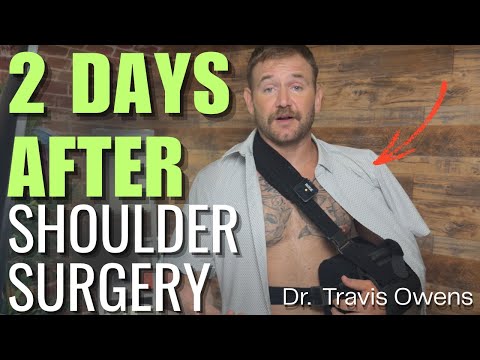
Watch: Injury Resolution on YouTube
Deep dives on specific injuries, common mistakes, and what the research actually says about recovery.
Dealing with an injury that won't resolve?
Join the list for weekly breakdowns on injuries, recovery, and what the research actually supports — written for people who want real answers.
Also From Travis
Performance Optimization
Returning to full performance after injury is the goal. See how I build goal-specific programs that account for injury history from the start.
Health & Nutrition
Sleep, protein, and calorie intake are contributing factors to how fast tissue heals. See how nutrition fits into the recovery picture.